What Is Epoxy Floor Coating?
Epoxy floor coating is a non-porous, stain and chemical resistant, highly-durable plastic overlay that is applied over concrete surfaces to strengthen them. This cover is created by blending resin with a hardener so they can form a seamless chemical bond.
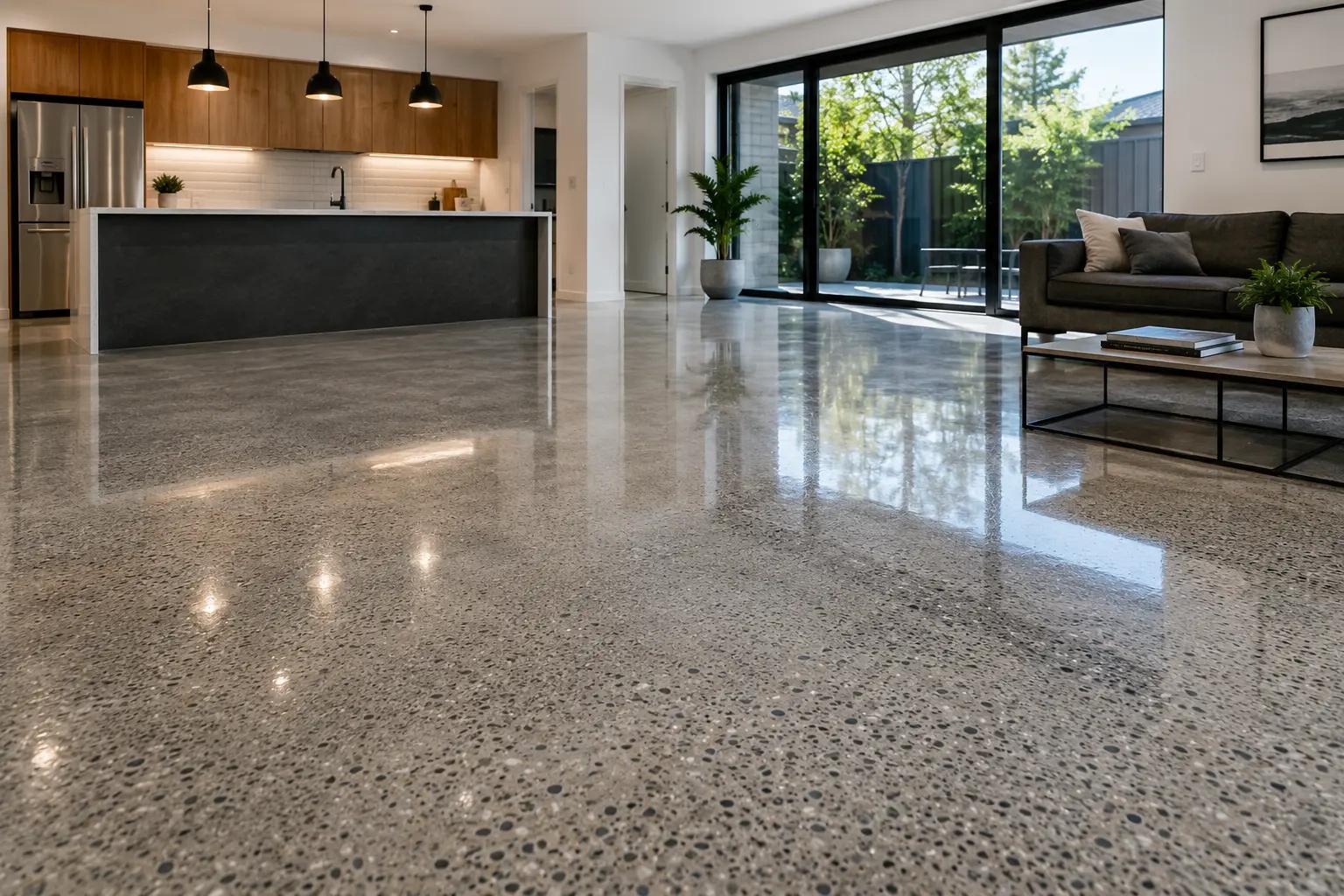
An Epoxy Concrete Floor can be customised to have various types of finishes such as glossy, matte, metallic, or flaky. Thus, epoxy flooring offers aesthetics along with the practical benefit of advanced durability to suit diverse property needs.
Why Should You Choose Epoxy Flooring in Christchurch?
The epoxy coating can withstand Christchurch's varied climate, performing well in a wide range of conditions.
They are resistant to harmful chemicals, making them perfect for workshops and garages.
Epoxy Floors are very easy to clean because they have a seamless finish with no pores.
You can design the coating and add a touch of uniqueness by choosing its colours and finishes.
Concrete Epoxy NZ provides slip resistance, making it safe for both commercial and residential use.
This coating is perfect for a wide range of uses including garages, warehouses, retail spaces, commercial kitchens, workshops, and medical facilities.
Step 1: Site Evaluation and Preparation
The team of contractors will start by inspecting the concrete surface for cracks or trapped moisture, previously applied coatings or sealers, and unevenness of surface.
Moisture testing is an important part of the inspecting process because moisture can easily get trapped due to underground water resources or seasonal dampness. Unless carefully removed, moisture in epoxy can cause bubbling or delamination.
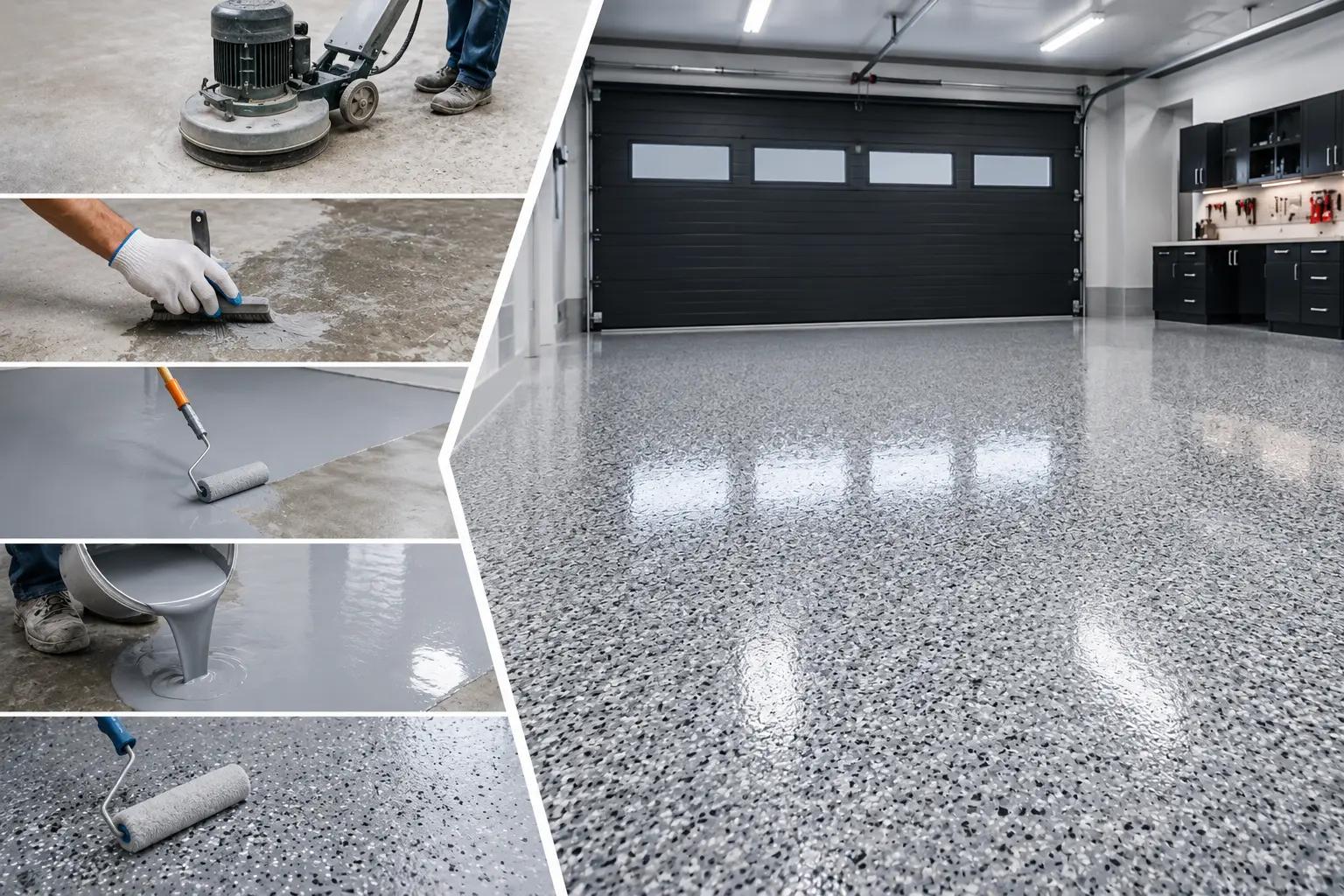
Preparation of the surface includes removal of paint, glue, or existing coatings, opening up concrete pores through diamond grinding or shot blasting, and vacuuming the dust and debris.
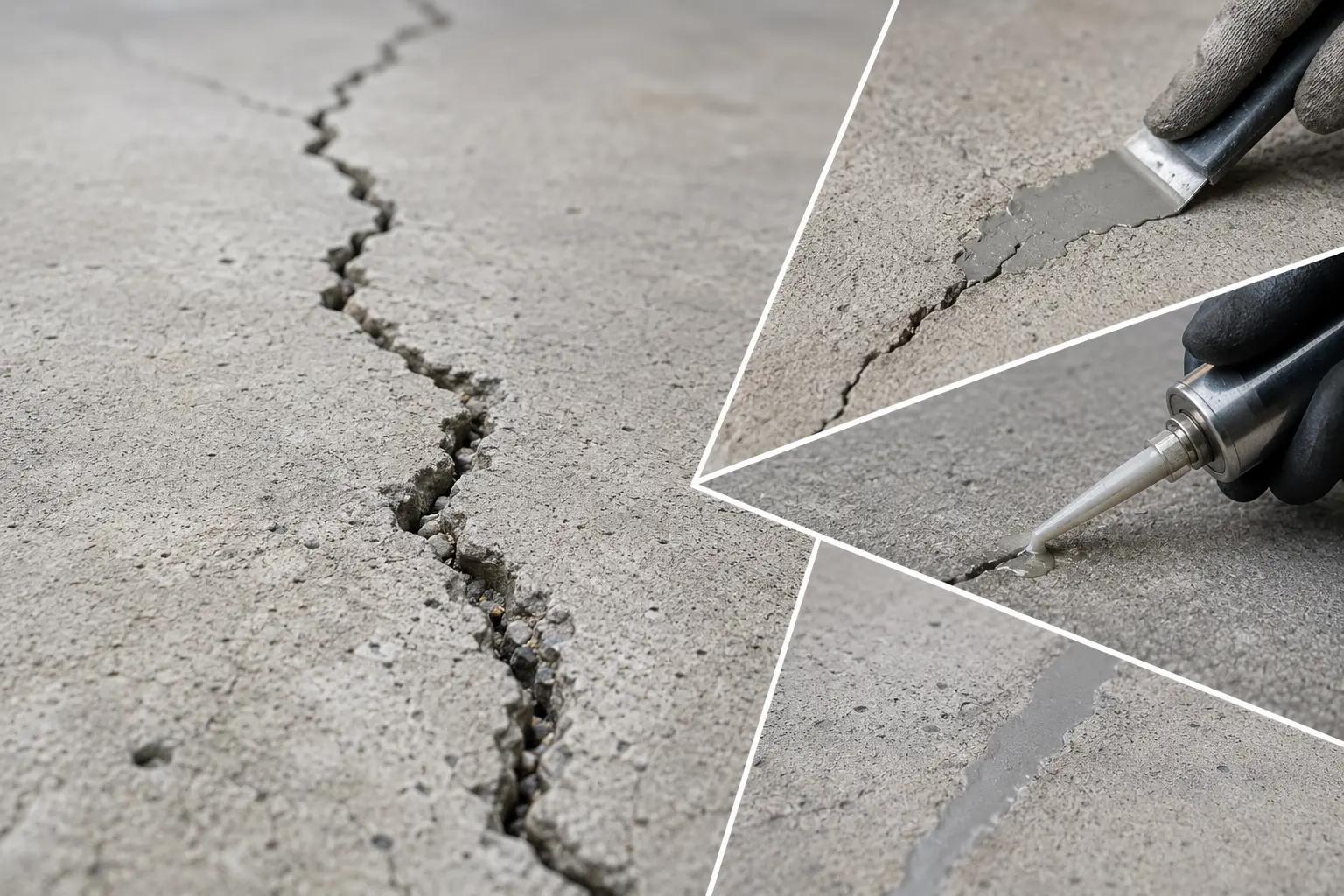
Step 2: Crack Repair & Surface Patching
Before Concrete Epoxy in NZ can be applied, all types of surface damage should be repaired. This makes the finish uniform and increases its durability.
Cracks and holes are filled with epoxy filler, uneven sections are smoothed using a concrete patch compound, and joints are prepped and filled if they are found damaged.
Step 3: Primer Application
A penetrating primer coat is then applied using a roller and allowed to cure for 6 to 12 hours, depending on the quality of the product and weather conditions. During colder months in Christchurch, the curing time increases slightly.
Primer is applied to improve adhesion between epoxy and the concrete, to properly seal the pores and prevent air bubbles, and to extend the lifespan of the epoxy coating.
Step 4: Epoxy Coat Application
The epoxy resin and hardener are blended on-site, then spread evenly using a roller. The installers have to work quickly as epoxy expires quickly once mixed.
You can customise the epoxy and choose from flake systems, metallic epoxy finishes, or solid colour systems as per your desire. After this stage, you will start seeing the colour and finish appear.
Step 5: Flake or Non-Slip Aggregate Broadcast
This is an optional step, only necessary if you want a flake or non-slip surface. Coloured flakes or silica sand are sprinkled over the wet epoxy coat to add traction, enhance aesthetics and depth.
After this layer is cured for 6 to 10 hours, loose flakes or sand are carefully swept away and vacuumed before applying the final seal.
Step 6: Topcoat Sealing
The epoxy topcoat is applied on the concrete floor to secure all the flakes or aggregates in place.
It protects the floor from scratches, UV rays, and dangerous chemicals, and enhances the aesthetics by offering a high-gloss, matte, or satin finish.
Step 7: Curing & Final Inspection
The final stage is giving the epoxy sufficient time to properly cure and harden.
For floors with light foot traffic, curing requires about 24 hours. For garages with vehicle traffic, curing requires around 3 to 5 days. For industrial use, full chemical cure takes up to 7 days.
Once the floor is cured, it is finally inspected for durability, evenness and coverage.
Cost of Epoxy Coating in Christchurch
Basic solid colour epoxy: $80 – $110 per square metre.
Flake epoxy system: $100 – $130 per square metre.
Metallic or other decorative finishes: $120 – $180+ per square metre.
Anti-slip or chemical resistance properties: $110 – $150 per square metre.
Tip: Prices vary based on site condition, area size, and finish complexity. A site visit before quoting ensures the most accurate estimate.
How Will You Choose the Right Epoxy Contractor?
Choosing the right contractor for Epoxy Floor Coating is extremely important, else you may end up with an uneven coating.
Look for licensed and insured professionals. Check out their portfolio and images of past projects. Ensure they use the right type of industrial-grade materials. Only choose contractors that offer a written warranty. Always check Google reviews and refer to past clients before committing.